Ground Shaped for Deliberate Preparation
Excavation Services in Jackson for earthmoving, rough grading, and preparing sites for construction-related improvements
Excavation reshapes ground to create level building pads, stable driveway routes, or drainage paths that prevent water damage. The process involves digging, moving earth, and rough grading to establish proper elevations before construction or other site improvements begin. Eastern Kentucky's slopes, valleys, and variable soil conditions require careful planning to avoid excessive cuts, unstable fills, or erosion once vegetation is removed. Saddle Ridge provides excavation services in Jackson, Prestonburg, Hazard, and surrounding areas for property owners and contractors preparing sites where ground conditions need correction before the next phase of work can proceed.
Excavation removes soil to lower high areas, relocates earth to fill depressions or create berms, and establishes rough grades that direct water away from structures. The work accounts for access limitations, slope stability, and how moved earth will settle over time. Planning includes evaluating where excavated material will be placed, whether additional fill is required, and how drainage will function once final grades are established.
Review site conditions and project scope with Saddle Ridge to plan excavation requirements and scheduling.
What Changes After Excavation Completes
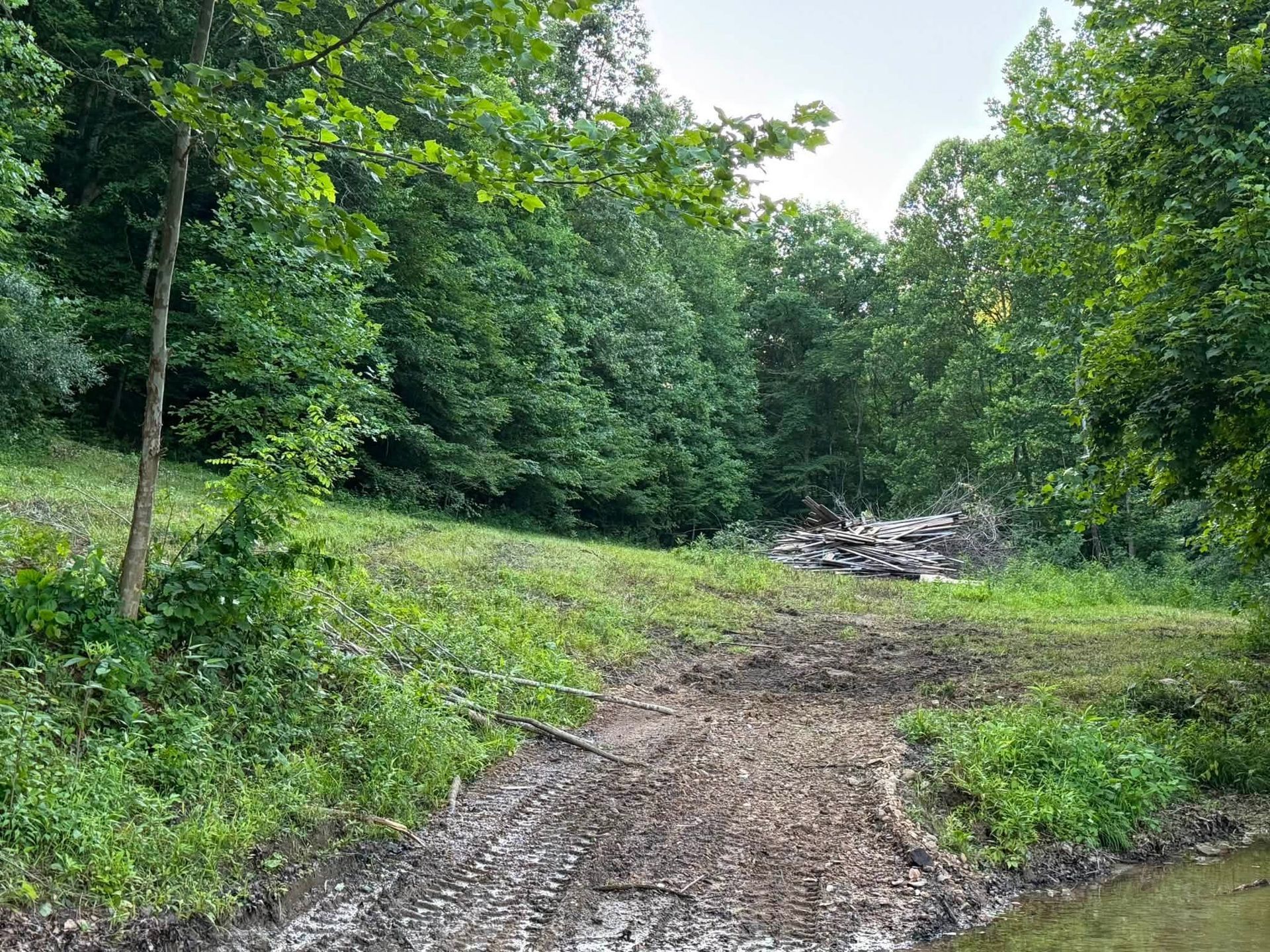
Excavation transforms uneven, sloped, or poorly draining ground into a site with defined elevations and functional drainage paths. Equipment cuts into hillsides to create flat building areas, removes soil from high spots to improve access, and redistributes earth to fill low areas where water would otherwise collect. Rough grading during excavation establishes the basic shape the site will maintain through subsequent construction phases.
Once excavation is finished, the site shows clear elevation changes, stable access routes, and areas where water will flow predictably. Building pads sit level and drain away from where structures will be placed, driveway routes follow grades that equipment and vehicles can navigate, and low spots no longer collect standing water after rain. The ground is ready for fine grading, foundation work, or other improvements that require stable, properly sloped surfaces.
The service includes digging to specified depths, moving earth to shape the site, and rough grading to establish drainage. It does not include precision grading for final surfaces, specialized foundation excavation, or underground utility installation unless specifically contracted. The scope depends on project requirements, existing ground conditions, and what subsequent contractors need to complete their work efficiently.
Questions Before Starting Your Project
Excavation raises practical questions about process, planning, and what the work includes.
Site conditions, access limitations, and project requirements vary across properties. Saddle Ridge evaluates excavation needs based on current ground conditions and intended use. Call (606) 610-8667 to arrange a site review and discuss your project's earthmoving requirements.
What does excavation involve for site preparation?
Excavation removes soil to create level areas, cuts into slopes to improve access, redistributes earth to fill depressions, and establishes rough grades that direct water away from structures. The process prepares ground for construction, driveway installation, or drainage improvements.
How do slopes and valleys around Jackson affect excavation planning?
Steep terrain requires balancing cut and fill to avoid hauling excessive material off-site or importing additional fill. Slopes also affect equipment access and stability, and grading must account for erosion risks once vegetation is removed.
What happens to the soil removed during excavation?
Excavated soil is redistributed on-site to fill low areas or create berms, or hauled off-site if there's no suitable location for placement. Leaving excess soil in random piles creates drainage problems and limits usable space.
When should excavation be completed relative to other project phases?
Excavation happens after clearing removes vegetation and before any construction, foundation work, or driveway installation begins. Waiting until later phases risks damaging completed work and complicates equipment access.
How does excavation differ from grading?
Excavation involves significant earthmoving to change elevations or remove soil, while grading shapes the surface to precise slopes and drainage paths. Excavation establishes the rough site shape; grading refines it to final specifications.