
Materials Moved When Your Project Needs It
Hauling Services in Jackson for land improvement, excavation, and site preparation projects requiring efficient material transport
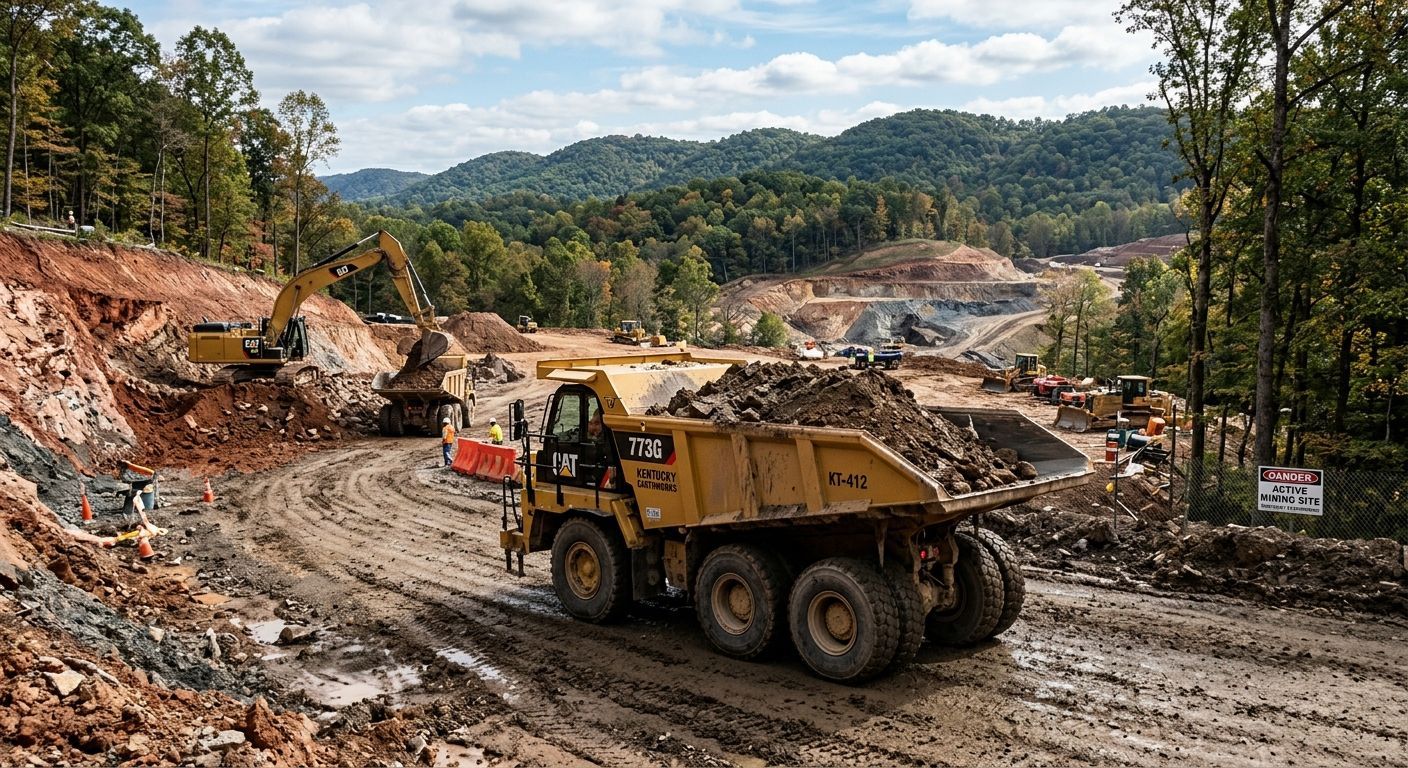
Larger property projects generate debris that must be removed, require materials delivered to the work area, or involve relocating soil and stone to prepare the site for the next phase. Saddle Ridge coordinates hauling support for excavation, clearing, and site preparation work in Jackson, Prestonsburg, Hazard, and surrounding areas, moving materials and debris efficiently so that the project stays organized and progresses without unnecessary delays. When hauling is managed as part of the overall project plan, you'll notice cleaner work areas, faster transitions between phases, and fewer interruptions caused by waiting for material delivery or removal.
The service involves assessing load type, volume, access routes, and destination to determine the appropriate equipment and schedule. Eastern Kentucky's terrain often includes narrow access roads, steep driveways, and limited turnaround space, all of which affect how hauling is planned and executed. Coordinating hauling with the broader project timeline reduces the chance of equipment conflicts, keeps the site accessible for other trades, and ensures that material movement happens when it's most useful.
Arrange a consultation to discuss load size, material type, site access, and the project schedule that hauling will support.
What Coordinated Hauling Actually Accomplishes
Hauling becomes most valuable when it's integrated into the project workflow rather than treated as an afterthought. Saddle Ridge evaluates what needs to be moved, where it's going, and when it must happen relative to other tasks like grading, clearing, or construction staging. This planning prevents situations where debris piles block access, delays occur because material isn't on-site when needed, or additional handling adds time and cost to the project.
After hauling is complete, the work area remains clear and functional, removed material no longer occupies space needed for equipment or staging, and delivered materials are positioned where they'll be used. This organization improves safety, allows other work to proceed without obstruction, and keeps the project moving forward on schedule. The specific materials hauled depend on the project—common loads include cleared vegetation, excavated soil, gravel, stone, and construction debris, though exact capabilities should be confirmed during planning.
Hauling does not include sorting, processing, or disposal services beyond transport itself unless those tasks are arranged separately. The focus is on efficient movement of material from one location to another. For projects involving multiple phases or contractors, coordinated hauling reduces the chance of scheduling conflicts and ensures that material movement doesn't interfere with ongoing work.
Common Questions About This Service
Understanding how hauling integrates with land improvement and site preparation projects helps you plan material movement effectively.
Saddle Ridge provides hauling support for property improvement projects across Jackson and the surrounding region. Describe your load type, project location, site access conditions, and timeline so we can plan material movement that keeps your project on track.
What types of materials can be hauled?
The service typically supports land improvement projects by moving cleared vegetation, excavated soil, gravel, stone, and debris, though exact capabilities should be confirmed based on equipment and project specifics.
How does access affect hauling in Jackson?
Narrow driveways, steep grades, and limited turnaround space common in Eastern Kentucky require planning haul routes carefully to avoid damaging property or getting equipment stuck in tight areas.
What happens to material once it's hauled away?
Depending on the material type and local options, loads may go to disposal sites, recycling facilities, or alternate locations you specify, though arrangements for final handling should be discussed in advance.
When should hauling be scheduled during a project?
Coordinating hauling with other work phases prevents delays and keeps the site accessible—debris removal often happens after clearing or excavation, while material delivery is timed to arrive just before it's needed.
How do I prepare for hauling services?
Identify what needs to be moved, confirm access routes are clear and stable, and communicate any site restrictions like overhead lines, soft ground, or areas that equipment should avoid.