
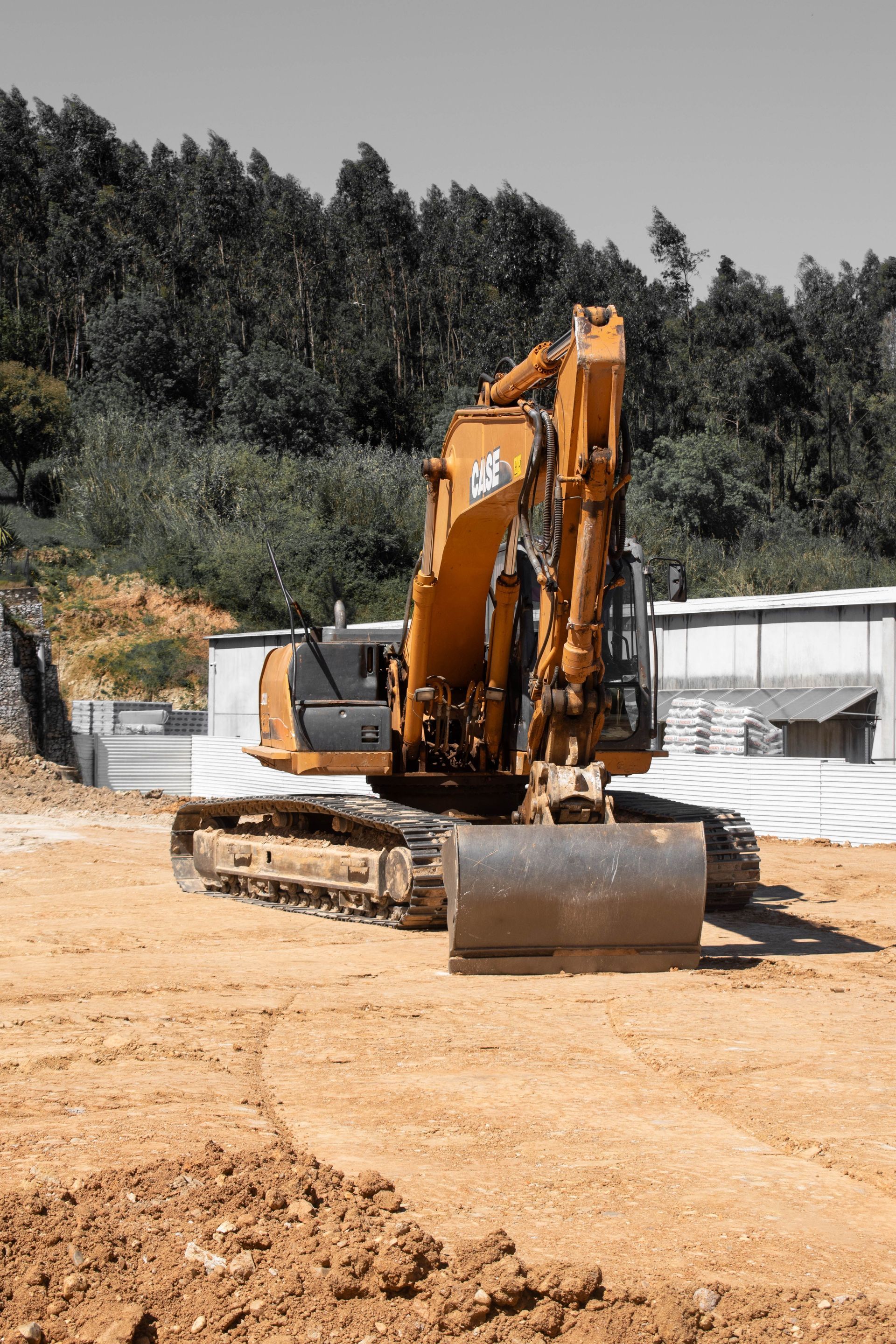
Wooded Property Opened for Use
Land Clearing in Jackson for construction, access improvement, and preparing overgrown or wooded acreage
Overgrown or heavily wooded property limits construction options, blocks vehicle access, and hides drainage problems until they cause damage. Land clearing removes trees, brush, stumps, and undergrowth to expose usable ground, creating space for driveways, building sites, or improved property management. Saddle Ridge clears wooded and brush-covered lots across Jackson, Morehead, Pikeville, and surrounding areas, where dense vegetation and steep terrain make preparation essential before other work can proceed. You see the result in open sight lines, accessible ground, and areas ready for excavation or grading.
Clearing involves cutting and removing trees, grinding or extracting stumps, eliminating brush and undergrowth, and hauling debris off-site. Full clearing removes all vegetation down to bare ground, while lighter clearing addresses only specific problem areas or access routes. The approach depends on whether you're preparing for construction, improving property boundaries, or managing fire hazards and pest habitats.
Schedule an evaluation based on your property's acreage and intended use to determine clearing requirements.
The Difference Between Full Clearing and Selective Removal
Full land clearing removes all vegetation, root systems, and organic material to expose stable ground suitable for building, grading, or drainage work. This approach is necessary when constructing homes, installing septic systems, or creating parking areas where roots would eventually cause heaving or settling. Selective clearing removes only targeted trees or brush, leaving portions of the property wooded for privacy, erosion control, or aesthetic reasons.
After full clearing is finished, the property looks entirely different: trees and brush are gone, stumps no longer obstruct equipment, and the ground surface is visible for evaluation. You can walk the entire site, identify drainage issues, and plan excavation or grading without working around obstacles. Selective clearing opens specific areas while maintaining tree cover where it serves a purpose, such as along property lines or on slopes where root systems prevent erosion.
Eastern Kentucky's wooded terrain often includes steep hillsides where clearing must account for soil stability once tree roots decompose. Some projects require only brush removal and small tree cutting, while others involve removing large hardwoods and grinding stumps below grade. The choice depends on what you're building, whether heavy equipment needs access, and how much open space your project requires.
Common Questions About This Service
Property owners preparing wooded or overgrown land ask practical questions about the clearing process and what to expect.
Saddle Ridge evaluates wooded and overgrown properties to determine clearing scope based on acreage, vegetation type, and intended use. Call (606) 610-8667 to arrange a site visit and review your property's clearing needs.
What happens to the trees, brush, and stumps after clearing?
All vegetation is cut, stumps are removed or ground below surface level, and debris is hauled off-site. Leaving material on the property creates fire hazards, attracts termites, and interferes with grading or construction equipment.
How does clearing prepare property for construction or grading?
Clearing eliminates obstacles that prevent equipment access and exposes the ground surface so drainage patterns, slope severity, and soil conditions become visible. Excavation and grading cannot proceed safely or accurately until the site is cleared.
When is the best time to clear wooded property around Jackson?
Drier months provide better ground conditions for heavy equipment and reduce soil compaction. Wet seasons make clearing more difficult, increase rutting, and can destabilize slopes once vegetation is removed.
What's the difference between clearing for a driveway versus clearing for a building site?
Driveway clearing removes vegetation along a defined corridor and prepares the path for grading and gravel installation. Building site clearing removes all vegetation within the construction footprint and often extends beyond it to allow equipment staging and material delivery.
How much clearing is required for a typical residential lot?
The amount depends on vegetation density, lot size, and project scope. A partially wooded half-acre lot with a planned home site, driveway, and septic field typically requires clearing several thousand square feet, while a fully wooded five-acre parcel may need only selective clearing around access routes and building areas.